
How to Plan a Weekend Road Trip Without Spending It All in the Car
A good two-night road trip starts with the time you actually have, rather than a long list of places you hope to see.
Read the guide ↗Independent US weekend travel planning: realistic itineraries, packing, booking checks and room for a change of plan.
Explore the practical toolkit ↗Twelve complete guides.
A good two-night road trip starts with the time you actually have, rather than a long list of places you hope to see.
Read the guide ↗
A useful travel budget is a decision sheet, not a promise that a trip will cost a particular amount.
Read the guide ↗
Pack for the activities and conditions on your itinerary rather than for every possible version of a weekend.
Read the guide ↗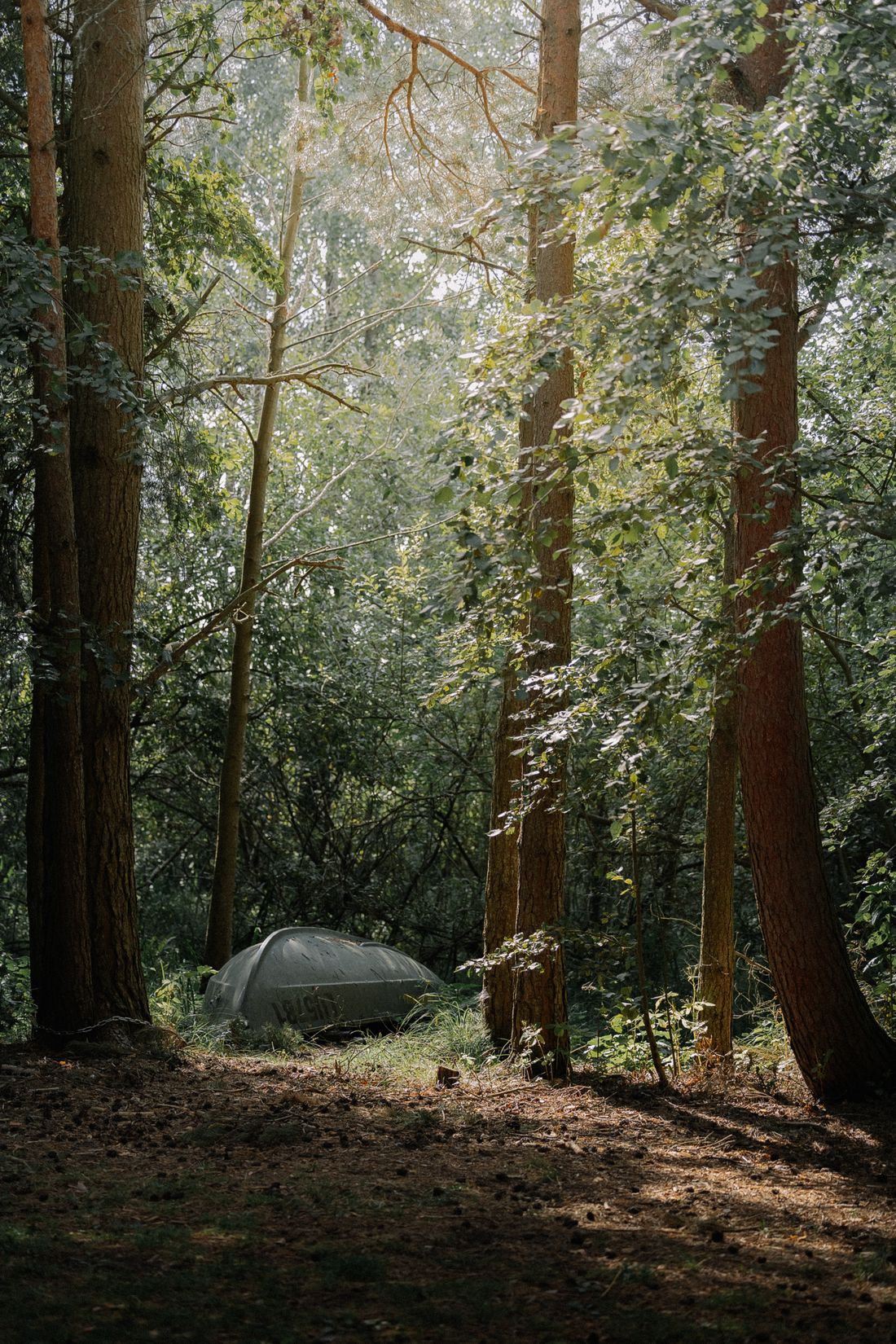
A first camping weekend is easier to organize when you choose an established campground, understand its facilities and practise using borrowed or existing equipment before departure.
Read the guide ↗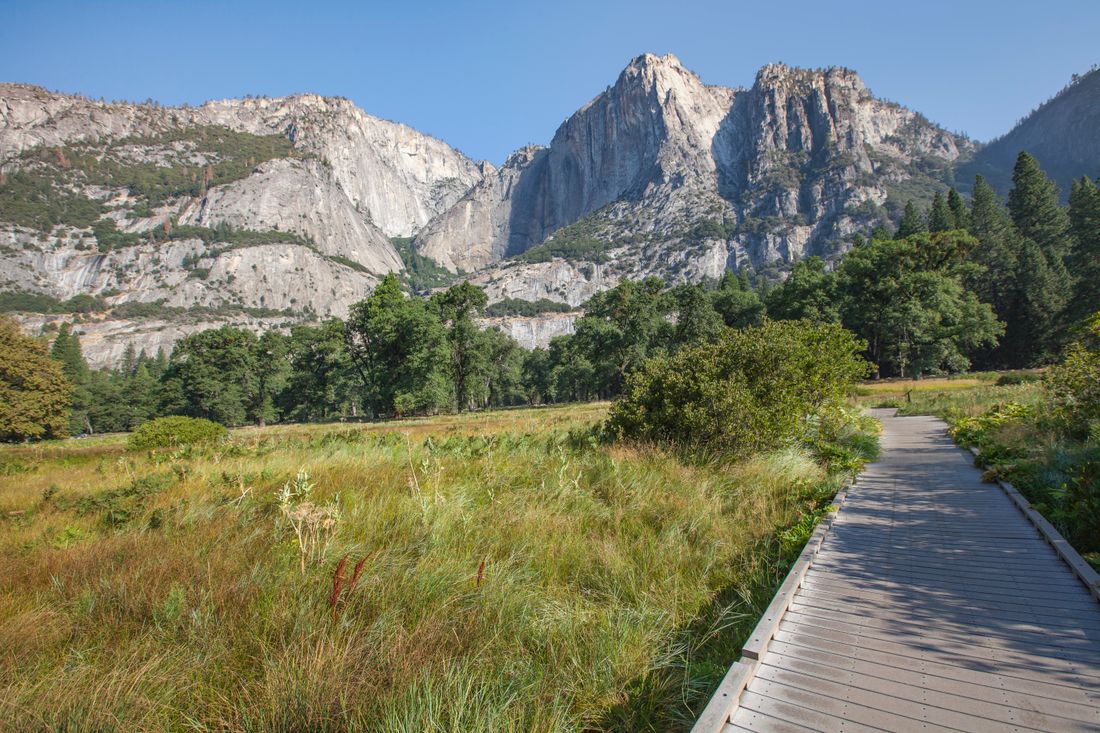
A day trip can be short on the calendar and still require careful preparation.
Read the guide ↗
A useful weather backup is a second version of the trip, not a long list of indoor attractions scattered across a region.
Read the guide ↗
A car-free weekend works best when the overnight base, arrival station and main activities fit the same practical network.
Read the guide ↗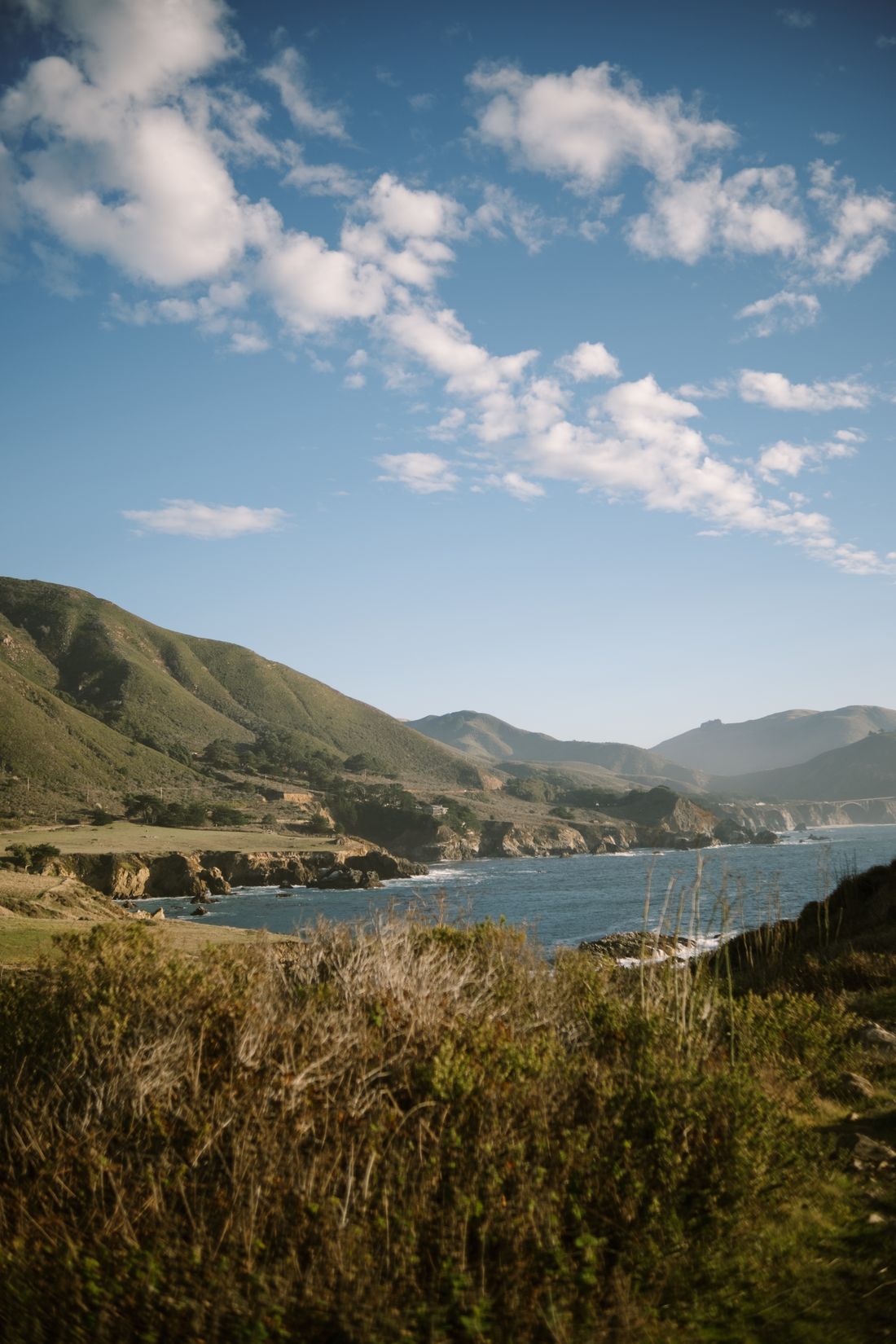
A coastal weekend can include a town stay, a waterfront walk and time on a public beach without becoming an ambitious road itinerary.
Read the guide ↗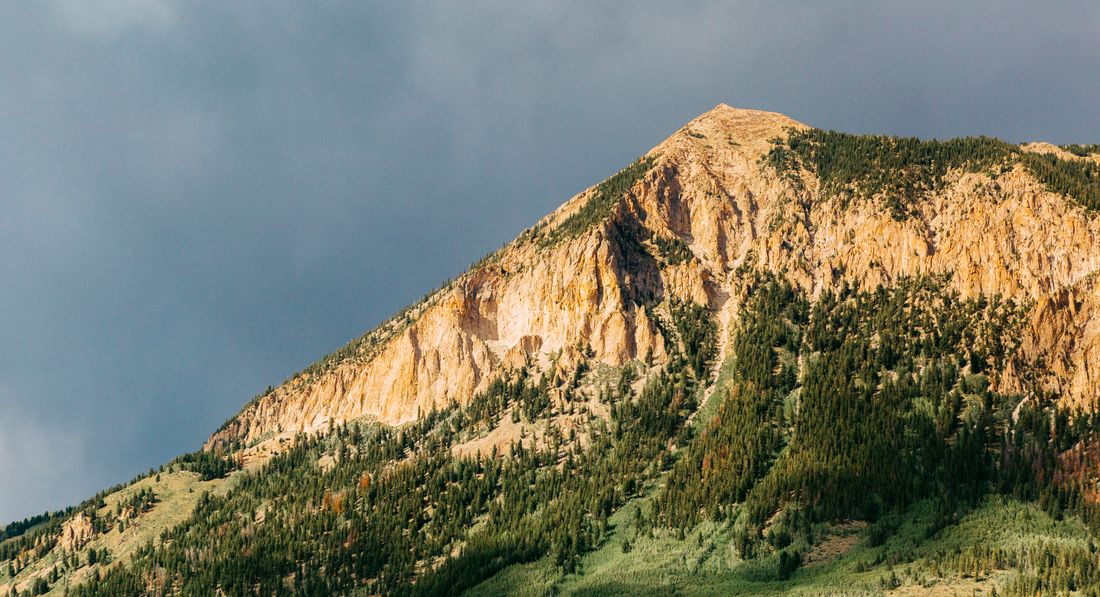
A mountain destination can work for a scenic town stay or a modest day outing, but the word “weekend” does not make the environment predictable.
Read the guide ↗
For a family weekend, the time between activities can matter as much as the activities themselves.
Read the guide ↗
Booking a short stay is easier when you compare the actual offer, the location and the cancellation terms on the same page.
Read the guide ↗
A good itinerary should help you make the next decision quickly.
Read the guide ↗