A Two-Night Weekend Packing List With Room for the Journey Home
Pack for the activities and conditions on your itinerary rather than for every possible version of a weekend. A two-night bag needs a small set of compatible clothes, the items your travel method requires and a clear way to separate used belongings. This guide is an adaptable packing method; airline baggage limits, screening rules and accommodation amenities must be checked with the relevant provider.
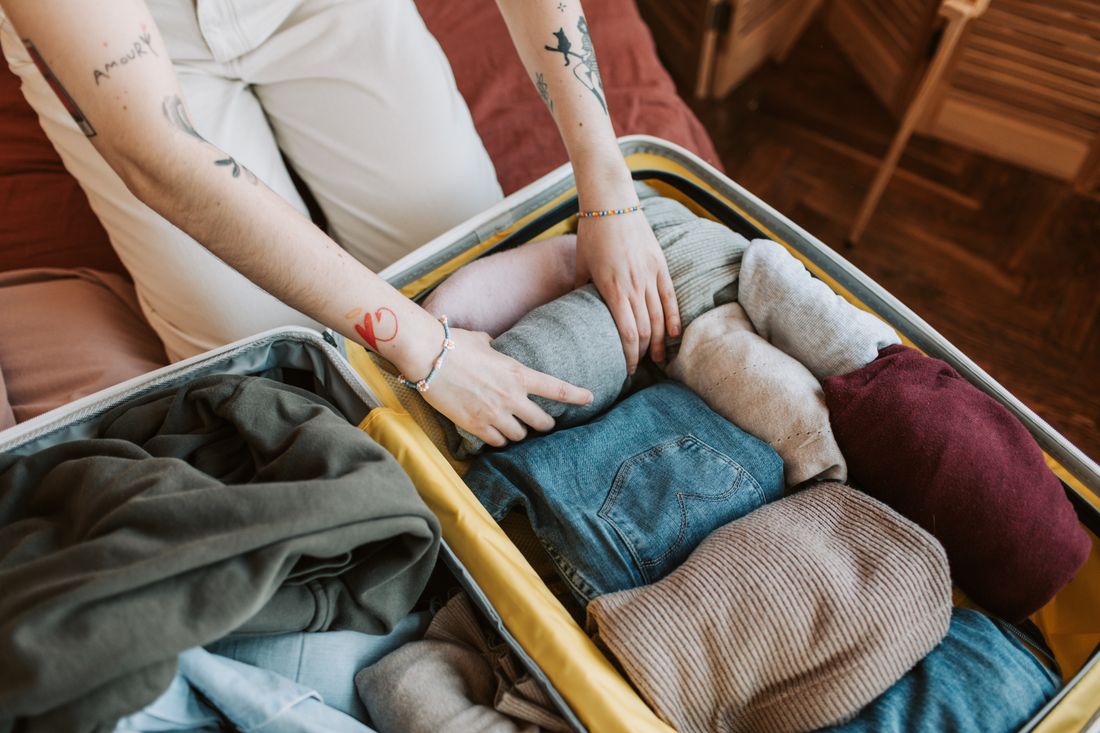
Photo: Vlada Karpovich · License. Illustrative stock photography.
Start with activities, not a suitcase
Write a short activity list: travel, sleep, walking, a booked dinner and any specific outdoor outing. Add the likely conditions and the laundry or storage options at your accommodation. This list is the brief for your bag. If an item supports no actual activity, ask why it is coming. The aim is not to reach an extreme minimum but to make each item useful for the trip you are taking.
Build a small clothing system
Choose pieces that work together so a change of top does not require another complete outfit. Rewearing an outer layer may be practical when it stays clean and suits the weather. Allow fresh underwear and socks for your actual needs, and consider a spare where getting wet is plausible. Decide which shoes fit the main activity before adding a second pair. A carefully chosen extra is more useful than several speculative options.
Check what the bag can really carry
Read the transport provider’s current baggage dimensions and weight rules for the specific ticket. The label “carry-on” on a bag is not a universal approval. Measure the filled bag, including wheels or protruding pockets where the provider requires them, and weigh it if relevant. Put frequently used items where they can be reached without unpacking the whole bag. Keep identification and necessary travel documents in a secure, accessible place.
Keep personal essentials together
Use a small pouch for routine toiletries and another protected place for personal necessities. Check screening and transport rules directly rather than copying an old packing infographic. Take personal medication in the way advised by its prescriber and the applicable transport authorities; this guide does not advise changing doses or packaging. Avoid moving important items into an unlabelled container simply to make a flat-lay photograph look tidier.
Plan for wet and used belongings
An empty lightweight bag can separate worn clothing from clean clothing. If swimming or a wet outing is on the itinerary, bring a suitable way to contain damp items briefly and allow them to dry when practical. Do not seal wet clothing for an entire weekend and forget it. Leave some spare volume for the journey home, when careful packing is less likely and small purchases may have joined the bag.
Do a doorway test before departure
Place the fully packed bag by the door and carry it as you will during the trip. Walk a short distance, use the handles and open the compartment holding your documents. If the bag is awkward at home, it will not become easier on stairs or a crowded platform. Remove items that duplicate another function before buying more packing accessories. Keep a short note of unused items after the weekend.
Your working checklist
Checkmarks stay in this browser when storage is available. They do not submit a form or complete a booking.
Put it into practice
- List every planned activity and check current weather and baggage rules. Separate confirmed needs from optional extras.
- Lay out a compatible clothing set, then test whether each piece has a clear purpose. Choose your main shoes before adding another pair.
- Group essentials into accessible pouches and protect documents. Leave space for used belongings instead of filling every compartment.
- Carry the packed bag around your home, check its actual dimensions and weight where relevant, and remove the least useful duplicate.
Before you finish
- The filled bag meets the provider’s current allowance.
- Personal essentials can be reached without unpacking everything.
- The packing list suits the actual forecast.
- There is a plan for used or wet clothing.
Common questions
Are packing cubes necessary?
No. They can make categories easier to find, but ordinary pouches or a thoughtful packing order also work. Test your existing bag before buying accessories.
How many outfits should I take?
Use the activity list and your own comfort requirements. Two nights do not automatically require a completely different outfit for every time block.
Can this list cover a hiking weekend?
Only as a starting point for clothing and personal organization. Hiking requires activity-specific preparation, navigation and equipment beyond an ordinary city-weekend bag.