Plan Your First Camping Weekend Around One Simple Campsite
A first camping weekend is easier to organize when you choose an established campground, understand its facilities and practise using borrowed or existing equipment before departure. This article focuses on planning a frontcountry overnight stay with vehicle access where permitted. It is not a backcountry skills course, and a reservation or packing checklist does not make an unsuitable location or forecast safe.
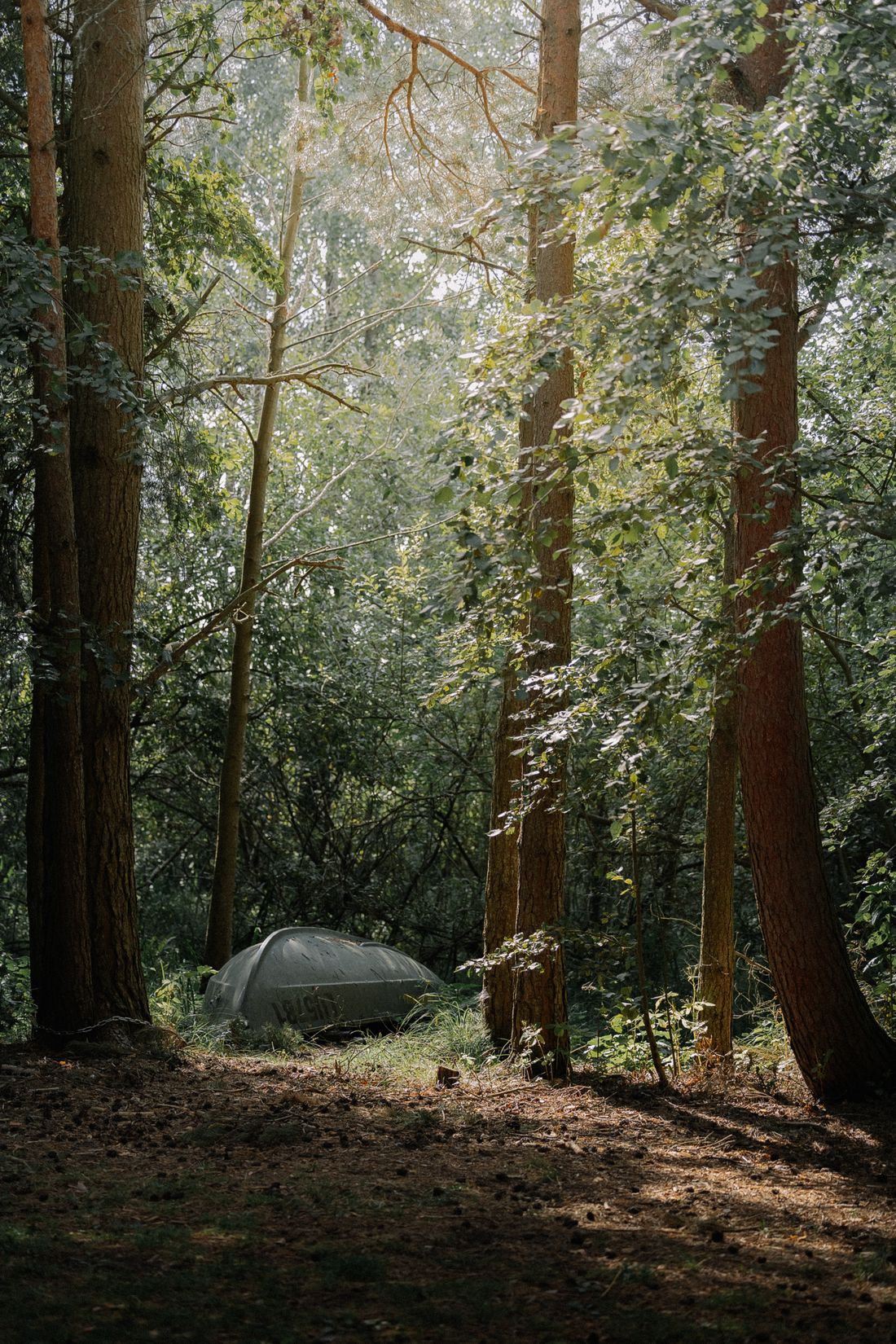
Photo: Elina Volkova · License. Illustrative stock photography.
Choose the campsite before choosing the equipment
Read the official campground page for the actual site type, vehicle access, water, toilets, arrival procedure and restrictions. A photograph of a tent beside a lake does not tell you whether those services exist. Distinguish a drive-in site from a walk-in or backcountry location. For a first trip, make the logistics easy enough that you have time to learn the equipment in daylight instead of solving every unfamiliar task at once.
Treat the booking as a set of conditions
Check occupancy, vehicle limits, check-in and checkout arrangements and the cancellation terms for the specific reservation. Recreation.gov policies can vary by facility and inventory type; a general rule is not a substitute for the listing. Save the confirmation and directions offline. Know what you will do if arrival is delayed. Do not assume that a vacant-looking pitch is available for use without the required authorization.
Test the shelter and sleep setup
Assemble the tent at home or another suitable place before the weekend. Identify the poles, attachment points and missing parts while there is still time to solve the problem. Check the manufacturer’s setup instructions and the expected conditions for all sleeping equipment. A blanket from home may not be suitable for the overnight temperature. Borrowing can reduce purchases, but borrowed equipment still needs inspection and a complete set of parts.
Keep the first meal plan straightforward
Plan meals you can prepare with the facilities and equipment you actually have. Confirm current fire, stove and food-storage rules with the land manager. A campfire should not be an essential part of the meal plan because restrictions or conditions may prevent one. Organize food so you can follow the location’s wildlife-storage instructions. Do not leave food or scented belongings accessible simply because the campsite is close to a vehicle.
Arrive with daylight and an exit option
Leave enough daylight for locating the pitch, putting up shelter and understanding the facilities. Keep the first evening schedule light. Check official weather and access information before departure, and choose an alternative if the conditions exceed your equipment or experience. A tent is not a safe thunderstorm shelter. Identify appropriate shelter and the route out before you need them, following current guidance from the land manager and weather authorities.
Make the last morning part of the plan
Allow time to clean the pitch, pack equipment and leave by the required checkout time. Deal with damp equipment promptly after returning home rather than storing it sealed indefinitely. Note which items were actually useful and which jobs took longer than expected. This turns the first trip into practical information for the second. Respect waste, quiet-hour and site-restoration instructions even when the campground is busy or other visitors behave differently.
Your working checklist
Checkmarks stay in this browser when storage is available. They do not submit a form or complete a booking.
Put it into practice
- Choose an established campground whose access and facilities match your experience, then read the individual site rules rather than relying on a search summary.
- Check the reservation conditions, test the shelter and sleeping setup, and identify anything missing before shopping for optional accessories.
- Plan simple meals using permitted equipment and current food-storage rules. Save directions and relevant information for use without reception.
- Arrive with daylight, keep the first evening simple and leave enough time to restore the pitch and pack before checkout.
Before you finish
- The campsite is the type you intended to book.
- The meal plan works without a campfire.
- The forecast suits your actual equipment and experience.
- A trusted person has an appropriate trip plan and return arrangement.
Common questions
Should I buy all new equipment?
Not automatically. Borrowing or renting may help you learn what you use, provided the equipment is complete, suitable and understood. Essentials should be decided from conditions, not a shopping bundle.
Is camping free if there is no entry booth?
Do not assume so. Check the managing authority’s fees, permits and payment process. Unstaffed locations can still require reservations or payment.
Can I camp anywhere near a national park?
No. Land ownership and camping rules vary. Use official campground or land-manager information to confirm exactly where overnight use is permitted.