A National Park Day Trip: What to Check Before You Leave
A day trip can be short on the calendar and still require careful preparation. National parks differ in access, terrain, transport and seasonal conditions, so begin with the official page for the park you plan to visit. The approach below helps turn a broad idea into one manageable outing without presenting a generic list as a substitute for local rules or your own ability.
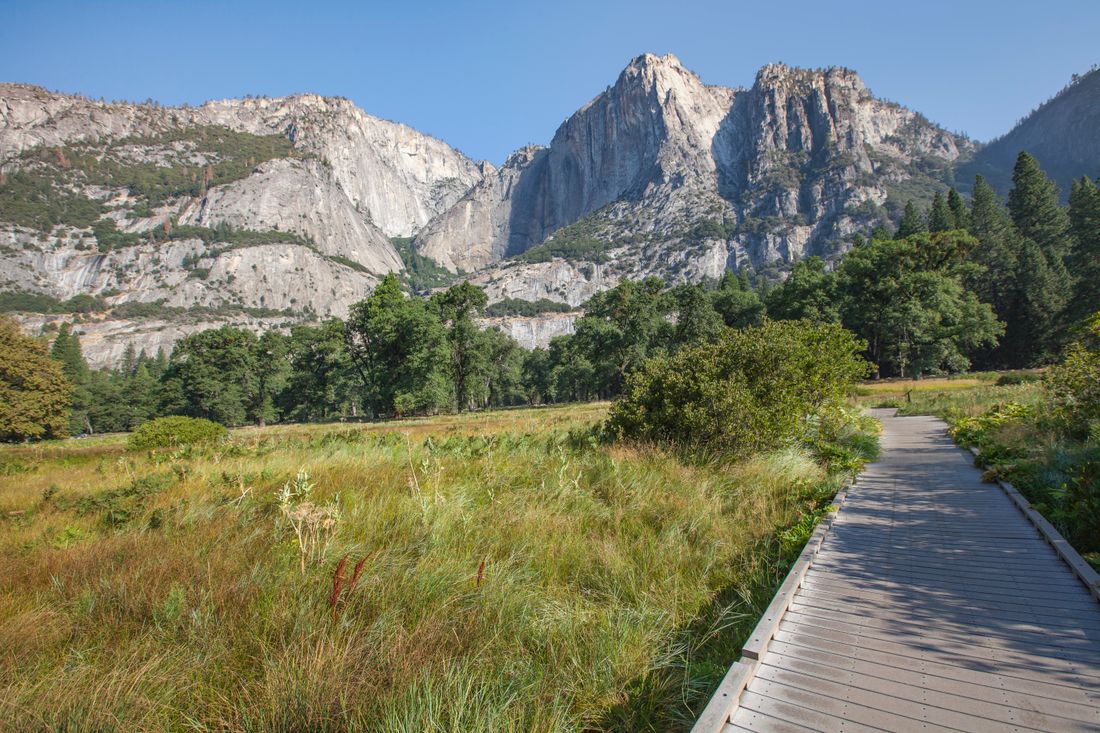
Photo: Elizabeth Iris · License. Illustrative stock photography.
Define the visit you are actually making
A scenic drive, visitor-center stop and short walk involve different planning from a long trail day. State the main activity and the maximum time you want to spend outside the car or transport system. Include the needs and preferences of everyone in the group. If one person expects a strenuous hike and another expects an accessible overlook, resolve that difference before selecting the route or arranging admission.
Open the park’s current information
Read the official park alerts, road conditions and planning pages. Look for entry or timed-access requirements that apply to your date and specific activity. An entrance pass, a vehicle reservation and a permit can serve different purposes; do not assume one replaces the others. Save the relevant information with its checked date. Search results and older trip reports can help you find questions but should not be the final authority on current access.
Choose one primary route and a shorter version
Use the official map and activity information to choose a route suited to the group. Consider the entire journey, including getting to the trailhead or viewpoint, finding parking and returning. Write down a shorter alternative that still makes the trip worthwhile. A decision to turn back is easier when it does not feel like abandoning the whole day. Never depend on an unmarked shortcut or a closed route to make the schedule work.
Prepare for the actual environment
NPS trip-planning guidance emphasizes the conditions, equipment and communication needed for the chosen activity. An ordinary town bag is not automatically sufficient for a remote trail. Organize navigation, water, food, clothing and other activity-appropriate essentials around the official guidance and your experience. Check equipment before leaving. Do not use a checklist tick as proof that you know how an unfamiliar tool works or that a difficult activity is suitable.
Plan information and communication gaps
Download useful maps and carry a usable paper-map backup; NPS cautions that a phone can be damaged, lost or run out of battery. Confirm how you will navigate without reception. Share an appropriate plan with a trusted contact who is not joining the outing, including the expected return arrangements. Agree on a meeting place with your group if people separate. Do not assume you can rely on a stream of live messages to coordinate every decision. Keep reservation details and emergency information accessible while protecting unnecessary personal data.
Leave room for queues, weather and an early return
Place a return decision in the itinerary before the day becomes rushed. Conditions, parking and queues can change the practical plan even when the destination is open. Respect closures and follow current ranger instructions. If the smaller plan is the sensible option, take it and enjoy the part that works. After the outing, review preparation and timing rather than judging success by how many points on a map you reached.
Your working checklist
Checkmarks stay in this browser when storage is available. They do not submit a form or complete a booking.
Put it into practice
- Choose the park and one main activity, then discuss the intended effort and accessibility needs with everyone going.
- Read the park’s official current information and verify each required reservation separately. Save the relevant confirmations and maps.
- Build an activity-appropriate equipment and communication plan. Set a return decision and choose a smaller version of the outing.
- Check conditions again before leaving, follow local instructions on arrival and adapt the route when the actual conditions require it.
Before you finish
- The park’s current official alerts have been checked.
- The group understands the route and turnaround plan.
- The trip does not depend on phone reception.
- No closure or permit condition is being ignored to preserve the itinerary.
Common questions
Does a park pass guarantee entry to every area?
Do not assume it does. Specific areas or activities can have separate reservation or permit requirements. Check the park’s current official instructions for your visit.
Can I rely on a saved travel blog?
Use it for ideas, then verify important details with the park. Roads, facilities and reservation systems can change after an article is published.
Is a day trip automatically beginner-friendly?
No. Duration alone says little about terrain, exposure or remoteness. Choose the actual route and preparation to match the group’s experience.