A Mountain Weekend Plan That Leaves Room for Changing Conditions
A mountain destination can work for a scenic town stay or a modest day outing, but the word “weekend” does not make the environment predictable. Start with the activity and season, then choose access, equipment and an overnight base that fit your experience. This guide organizes a frontcountry visit; it does not teach mountain navigation, technical skills or a personalized fitness plan.
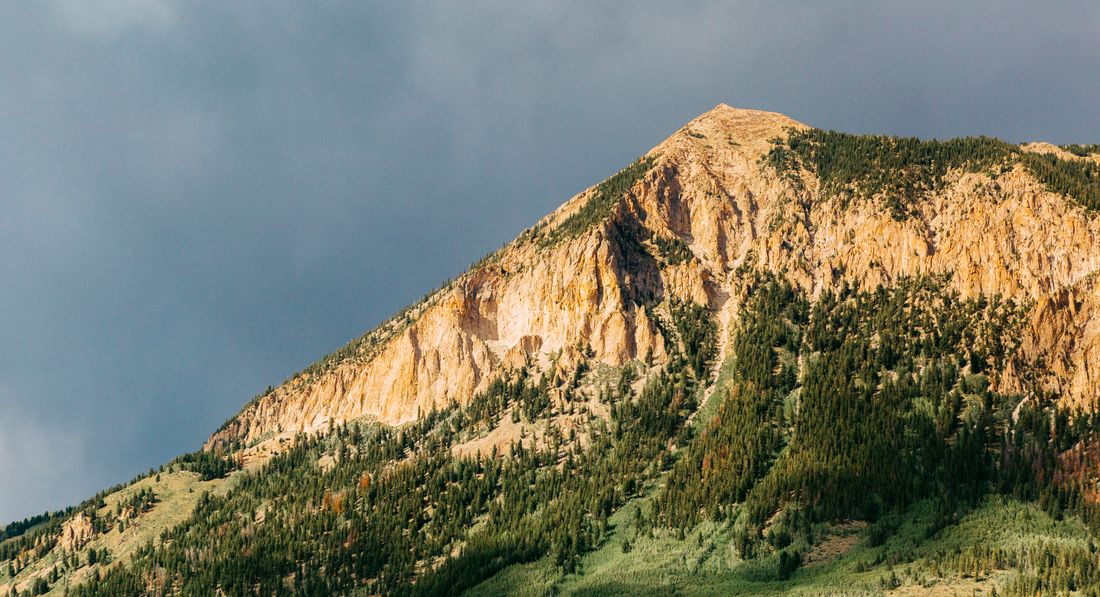
Photo: Joetography · License. Illustrative stock photography.
Separate the town visit from the mountain activity
A comfortable hotel in a mountain town says little about the conditions on a nearby road or trail. Describe the actual outing you intend to make, including terrain, exposure and how remote it is. A scenic drive with managed stops is different from a long hike. Agree on the scope with your companions before booking activities so the trip does not quietly expand into something for which the group is unprepared.
Check seasonal roads and access directly
Use the land manager’s or transportation authority’s current road and access information. A route visible in a mapping app may be closed, restricted or unsuitable under current conditions. Read the relevant requirements for your vehicle and itinerary instead of assuming that a standard navigation route is an endorsement. Save an alternative way to reach the base where practical. If the journey cannot be made appropriately, change the destination rather than improvising around a closure.
Choose an outing with a clear smaller version
Select a managed route appropriate to the group using current official information. Include time for parking, getting organized and the return journey. Identify a shorter option and an explicit point at which you will turn back or change the day. Avoid stacking a long drive, late arrival and demanding outing into the same morning. Keeping the plan modest gives you room to learn the area instead of chasing a schedule.
Prepare for the conditions where you will be
Conditions at an accommodation or city forecast do not automatically describe a higher or more exposed location. Consult appropriate official forecasts and land-manager notices. Choose clothing and equipment from the actual activity requirements and your ability to use them. NPS guidance provides a structured starting point for trip planning, but a generic checklist is not a replacement for specialist preparation where the activity requires it.
Make communication part of the plan
Save maps and useful destination information for use without mobile reception, and carry a usable paper-map backup for the outdoor route. Share an appropriate route and expected return arrangement with a trusted contact. Agree with your group on what to do if you become separated. Do not rely solely on sending a message after plans have already changed in an area with no service. The most useful communication plan is one that is understood before the group leaves the base.
Keep an enjoyable low-commitment alternative
Choose a nearby town activity, visitor center or lower-commitment managed outing whose current operating information you can verify. Include the possibility of staying at the base if official conditions warrant it. Check the cancellation terms for booked activities and accommodation in advance. A weekend remains a personal trip, not a test you must complete because money has already been spent. Review what worked afterward and keep the simpler itinerary for a future visit.
Your working checklist
Checkmarks stay in this browser when storage is available. They do not submit a form or complete a booking.
Put it into practice
- Describe the actual mountain outing and agree on its scope with the group before making bookings.
- Verify road access and choose a managed route that fits the group. Add the whole approach and return journey to the timing.
- Match equipment and communication to the actual conditions, and share an appropriate trip plan with a trusted contact.
- Recheck official information before departure and use the smaller alternative or change the trip when conditions no longer fit the plan.
Before you finish
- The mapping route is supported by current official access information.
- The forecast applies to the relevant location.
- Everyone understands the smaller version and return decision.
- The plan does not depend on mobile reception or an unverified shortcut.
Common questions
Can I judge conditions from the nearby town?
Not reliably. Check information for the specific activity and location. Terrain and exposure can differ substantially from the overnight base.
Should I keep a booking if the outing becomes unsuitable?
Review the actual terms and your alternatives. A financial commitment does not make unsuitable conditions appropriate for your equipment or experience.
Is this a hiking training plan?
No. It is a trip-organization guide. Obtain suitable route-specific skills and professional advice where your activity or circumstances require them.