Before You Book: A Practical Checklist for a Weekend Stay
Booking a short stay is easier when you compare the actual offer, the location and the cancellation terms on the same page. A low advertised price or attractive set of photos is only part of the decision. This checklist focuses on verification and record keeping for a weekend booking; it does not promise that any listing is legitimate or interpret a contract for your individual circumstances.
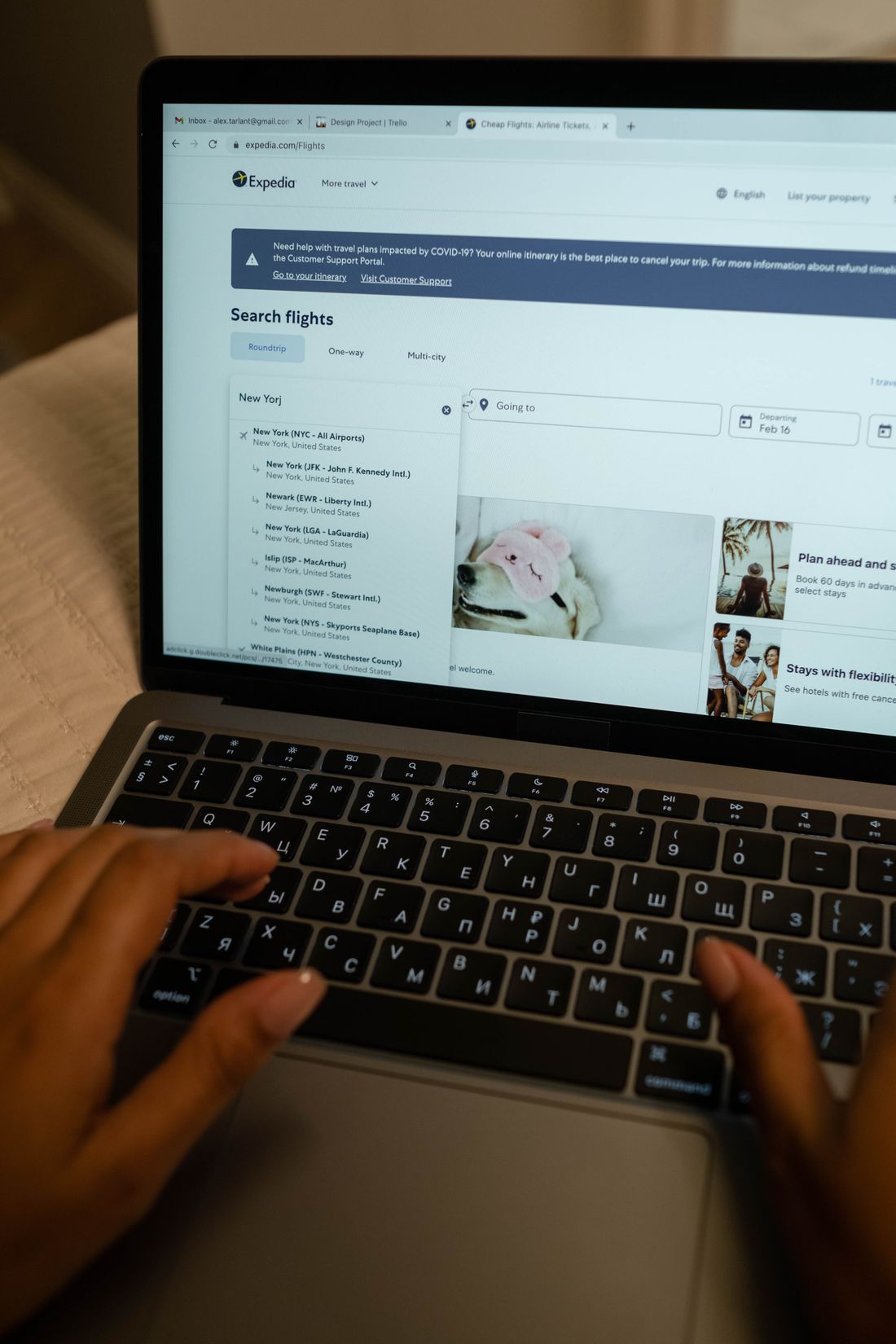
Photo: cottonbro studio · License. Illustrative stock photography.
Confirm the provider and the actual property
Check who is selling the stay and where the property is located. Compare the address with the place you intend to visit and the transport you will use. A neighborhood name in a headline may cover a much larger area than you expect. The FTC advises researching travel providers and being cautious about suspicious offers. If the details are inconsistent, investigate before paying rather than assuming that a polished listing resolves the uncertainty.
Use the final total for the exact booking
Enter the actual dates, party size and room or property type before comparing prices. Read the total shown at the final review stage and note any charges explicitly payable later. Keep uncertain items separate rather than treating them as free. If parking, luggage storage or another service matters, confirm whether it is available and what it costs. A cheaper room can be a more expensive weekend when essential supporting costs are omitted.
Read cancellation and change terms slowly
Record the cancellation deadline, the relevant time zone and what portion of payment may be retained. Distinguish a reservation change from a cancellation; different terms may apply. Do not assume that a platform’s general help article overrides the individual offer. Save a copy of the terms shown for your booking. If a condition is unclear, ask the provider before payment and keep the response with the confirmation.
Verify the practical arrival arrangements
Check the earliest and latest check-in arrangements, identification or deposit requirements and how access instructions are delivered. Confirm that the actual travelers and arrival time fit the booking. For an unstaffed property, know where to obtain legitimate support if access fails. Avoid sharing door codes or personal booking references in a public planning document. Give companions only the information they need through a suitable private channel.
Recognize pressure and unusual payment requests
The FTC warns about travel offers that pressure you to decide immediately and requests for payment only through methods such as gift cards, wire transfers or cryptocurrency. A request to move outside an established provider’s normal process deserves scrutiny. Pause and verify the contact using information obtained independently from the provider’s official channel. Do not send identity documents or account information merely because an unexpected message claims they are needed to keep your reservation.
Keep a compact record of the booking decision
Save the confirmation, property address, final total, support channel and cancellation deadline together. Add a calendar reminder before the deadline if you need time to reconsider. Before departure, reopen the legitimate booking record to check current access instructions. If a problem occurs, keep factual records of what happened and use the provider’s official support process. Do not publish private access codes or other travelers’ personal information when seeking help.
Your working checklist
Checkmarks stay in this browser when storage is available. They do not submit a form or complete a booking.
Put it into practice
- Compare the actual location and final offer for your dates, then list any unresolved questions about facilities or extra charges.
- Read the specific cancellation and arrival terms. Ask the provider through an official channel about anything that affects whether the booking works.
- Pause if a message pressures you or changes the normal payment process. Verify unexpected requests independently before sending money or personal documents.
- Save the confirmed terms and booking details privately, set useful reminders and recheck legitimate arrival instructions before departure.
Before you finish
- The price comparison uses the complete offer.
- Cancellation deadlines include a relevant time zone where specified.
- No unusual payment request has been accepted without verification.
- The shared itinerary contains no access codes or identity documents.
Common questions
Are all discounted offers scams?
No. Price alone does not establish legitimacy. Verify the provider, property and terms, and be cautious when a very low price is combined with pressure or unusual payment requirements.
Does bad weather guarantee a refund?
No general promise can be made. Read the actual booking terms and the provider’s current policies for the situation. Seek appropriate advice if a dispute requires it.
Should I keep screenshots?
A private dated record of the final offer and terms can help you understand what you booked. Protect personal information and avoid distributing access codes or other travelers’ details.